Alstom Metropolis C751C

The Alstom Metropolis C751C trains are the second generation rolling stock for the North East Line.

18 trains of six cars each were purchased and housed in Sengkang Depot and have been in passenger service since 1 October 2015.

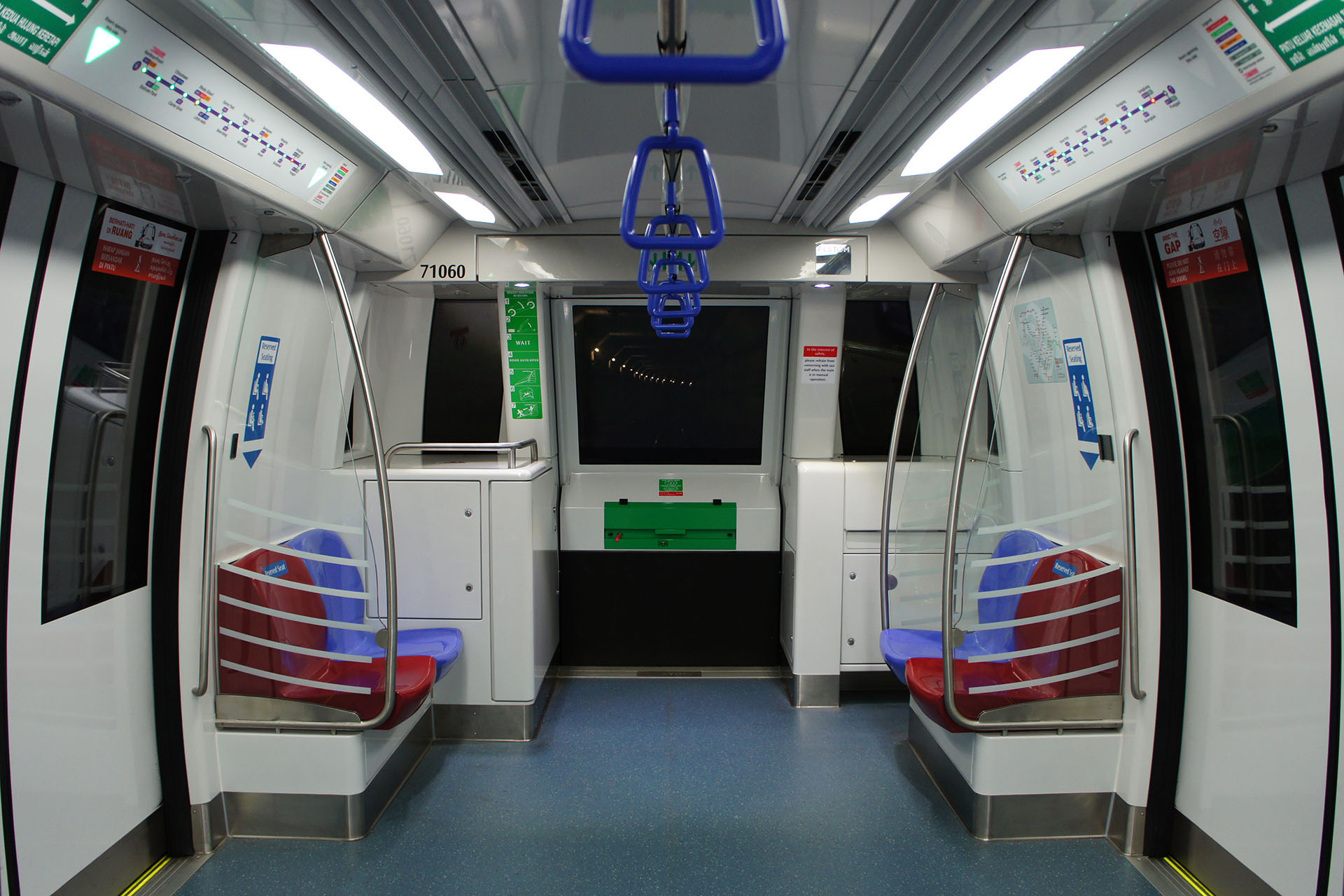
These trains come with new commuter-centric features such as additional overhead handgrips, platform gap fillers and dynamic route map displays.

These trains bear similarities to the first generation Alstom Metropolis C751A and its counterpart, the second generation Alstom Metropolis C830C, built during the same period.

Utilising Alstom's Urbalis 300 Communications-Based Train Control (CBTC) signalling system, these trains are capable of fully automated operations and can run without any train attendant on board.

These trains receive power through the pantograph, electrified by the overhead catenary or overhead conductor rail systems, instead of the commonly-used current collector shoes against the third-rail electrification system.

At a Glance

Alstom Metropolis C751C

North East Line

Built 2014 - 2016

18 trains of 6 cars each, numbered 7051/7052 to 7085/7086

The Alstom Metropolis C751C trains are maintained and operated by SBS Transit.


Advertisement

History

Contract 751C for the supply of 18 new trains for the 16-station North East Line (NEL) was awarded by the Land Transport Authority (LTA) to French train manufacturer Alstom Transport SA on 1 February 2012.

The purchase of 18 additional trains was part of efforts by the LTA to increase the capacity of the NEL by 70 per cent, boosting peak-hour train service frequencies.

All 18 trains were jointly manufactured by the French manufacturer and Shanghai Electric Group Co., Ltd. under Shanghai Alstom Transport Electrical Equipment Co., Ltd.

The first C751C train arrived in Singapore on 20 July 2014, with the first train entering passenger service on 1 October 2015.

Lines


Advertisement

Design

Exterior

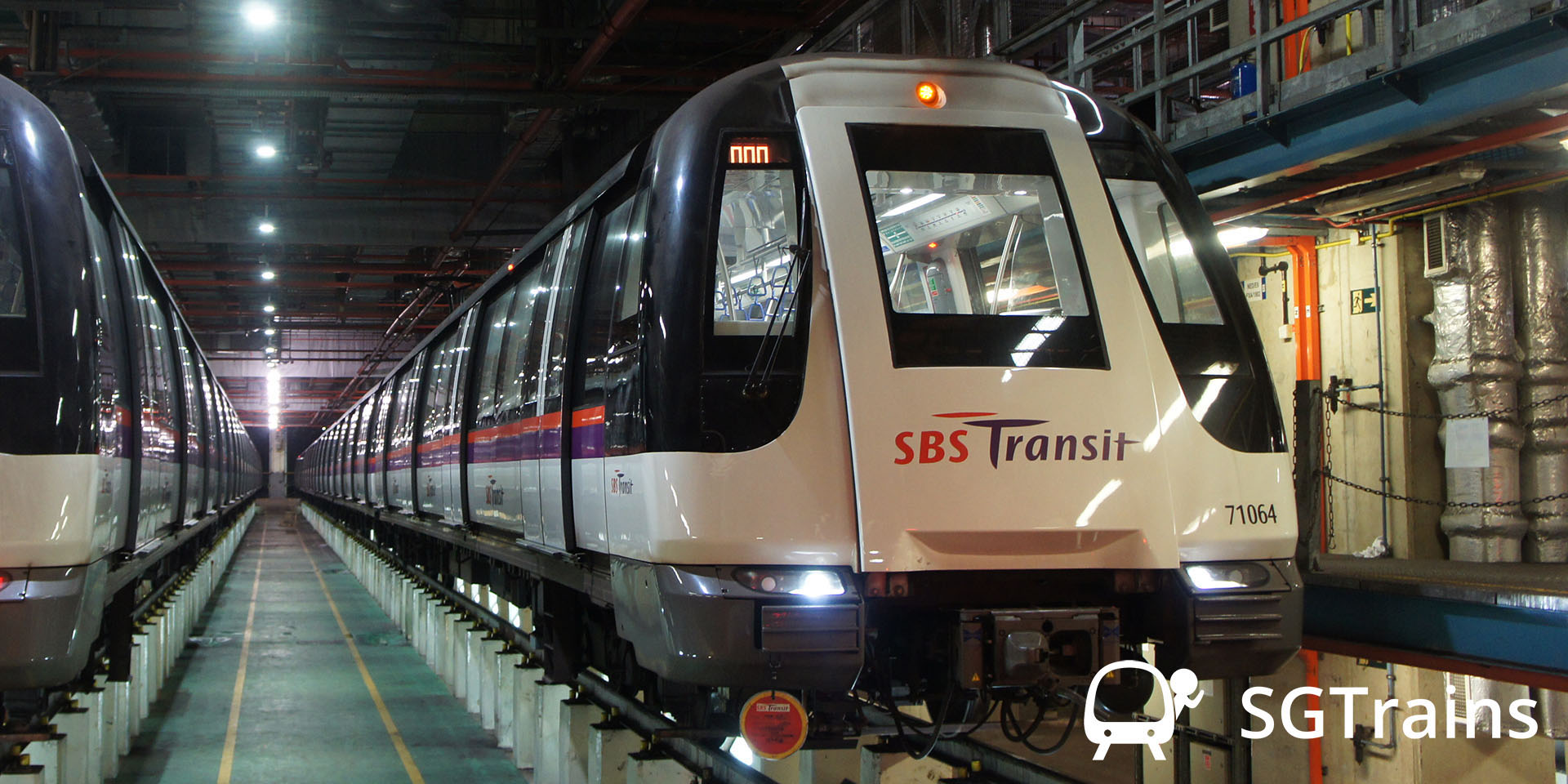
Similar to the C751A trains, these trains have a contrasting exterior livery: a dark background at the top and white at the bottom, with an orange-colour strip and purple-colour band down the middle.

The front of the train is curved, giving it a more streamlined look.

The train numbers are displayed on an orange LED display at the top of the left windscreen.

The train has brighter headlights compared to the first generation C751A trains.

Interior

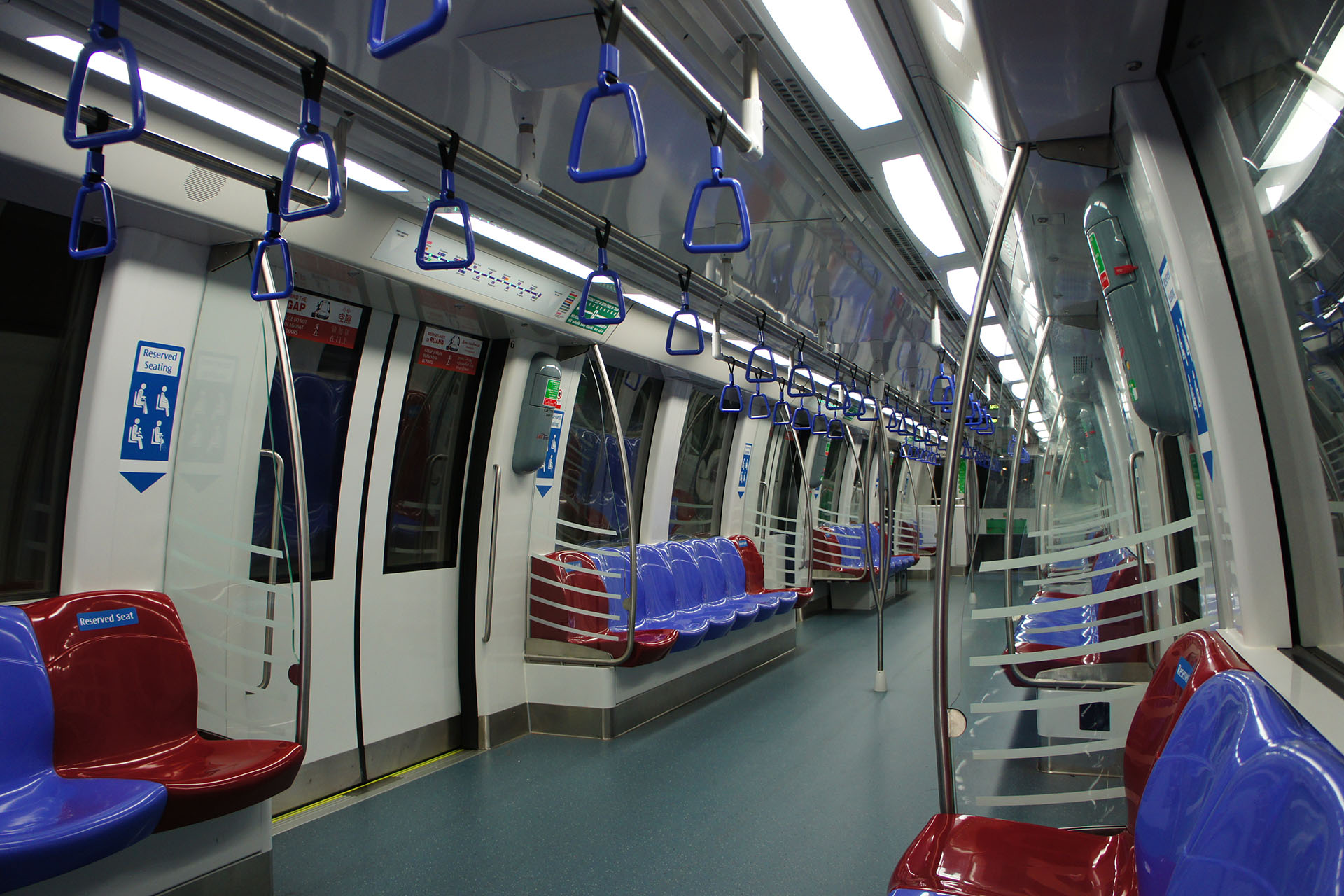
A uniformed interior colour scheme of purple is implemented across the whole train.

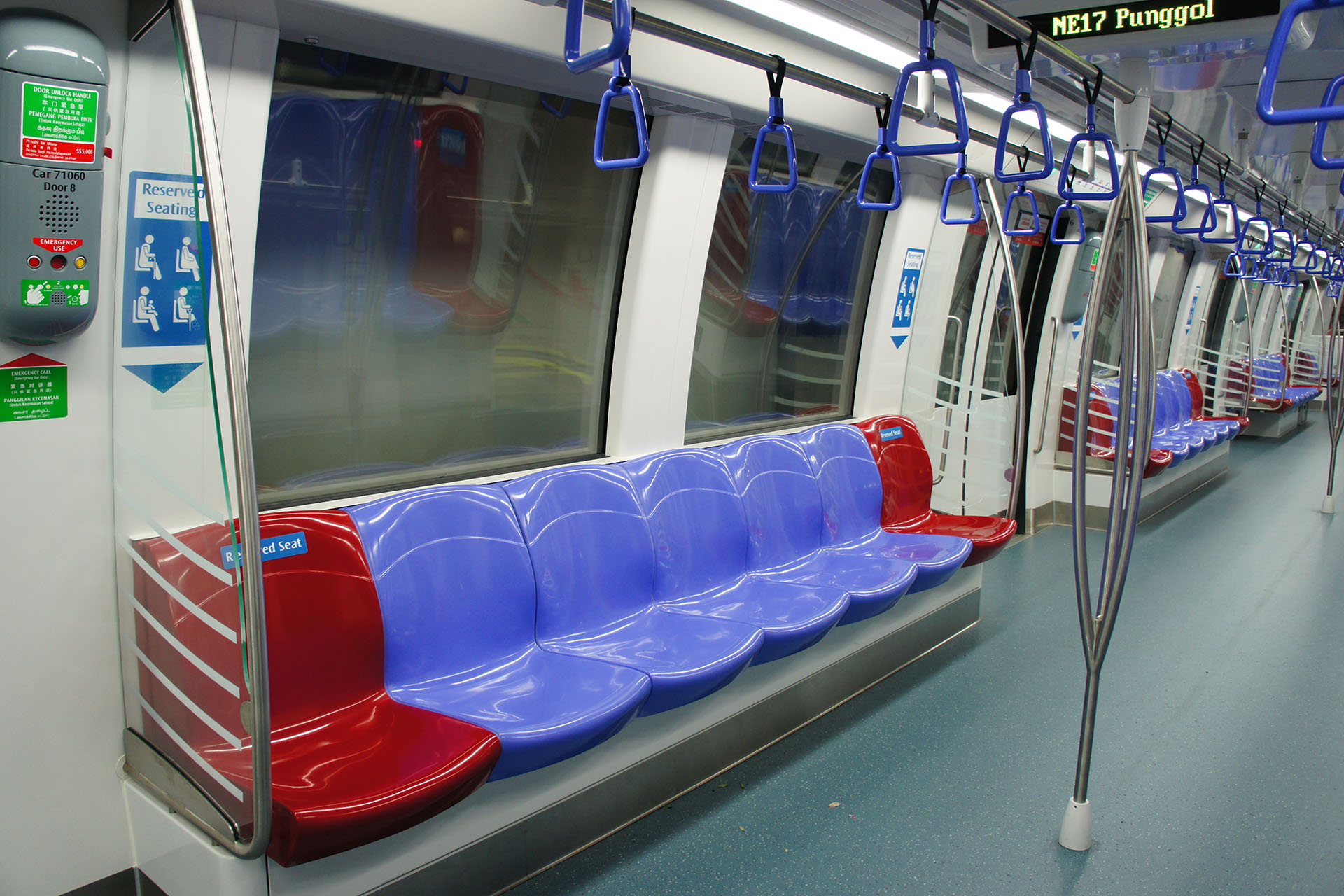
The reserved seats, catered for commuters with special needs, are differentiated in red.


Advertisement

Features

Platform Gap Width Reduction

The flooring edge of each train door is fitted with a rubber gap filler to reduce the gap between the train and the station platform.

This helps to reduce the risk of passengers in wheelchairs or with strollers slipping into or getting caught in the gaps.

Reserved Seats

The reserved seats, catered for commuters with special needs, are differentiated in red.

Wheelchair Bay

Two wheelchair bays are located in the middle two cars of every C751C train at doors 9 and 16.

Gangway Lights

Gangway spotlights are installed to illuminate the gangway area of the train cars.

Overhead Hand Grips

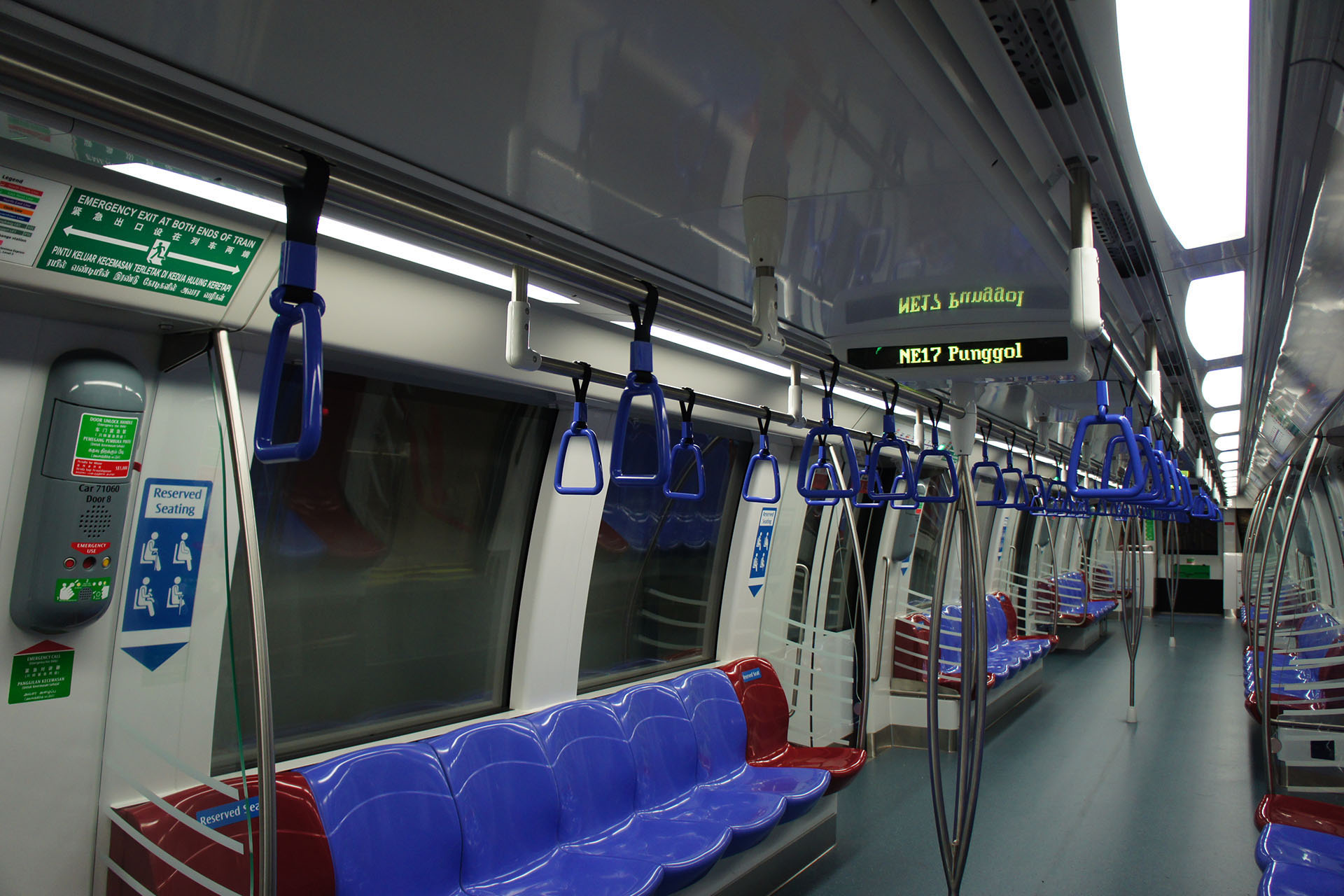
Three rows of hand grips are positioned along the aisles of the train cabins to provide standing passengers with increased support.

Grab-Handles at Doorways

Provide support for passengers boarding or alighting the trains and for passengers standing near the doors.

Door Closing Indicator

Yellow alert lights that are positioned above each door will light up when the doors are closing.

Builder Plate

The builder plate lists the company involved in the manufacture of the train.

Dynamic Route Map Display

The Dynamic Route Map Display panels provide commuters with their route information throughout their journey.

It also indicates which side the doors will open.

Visual Passenger Information System

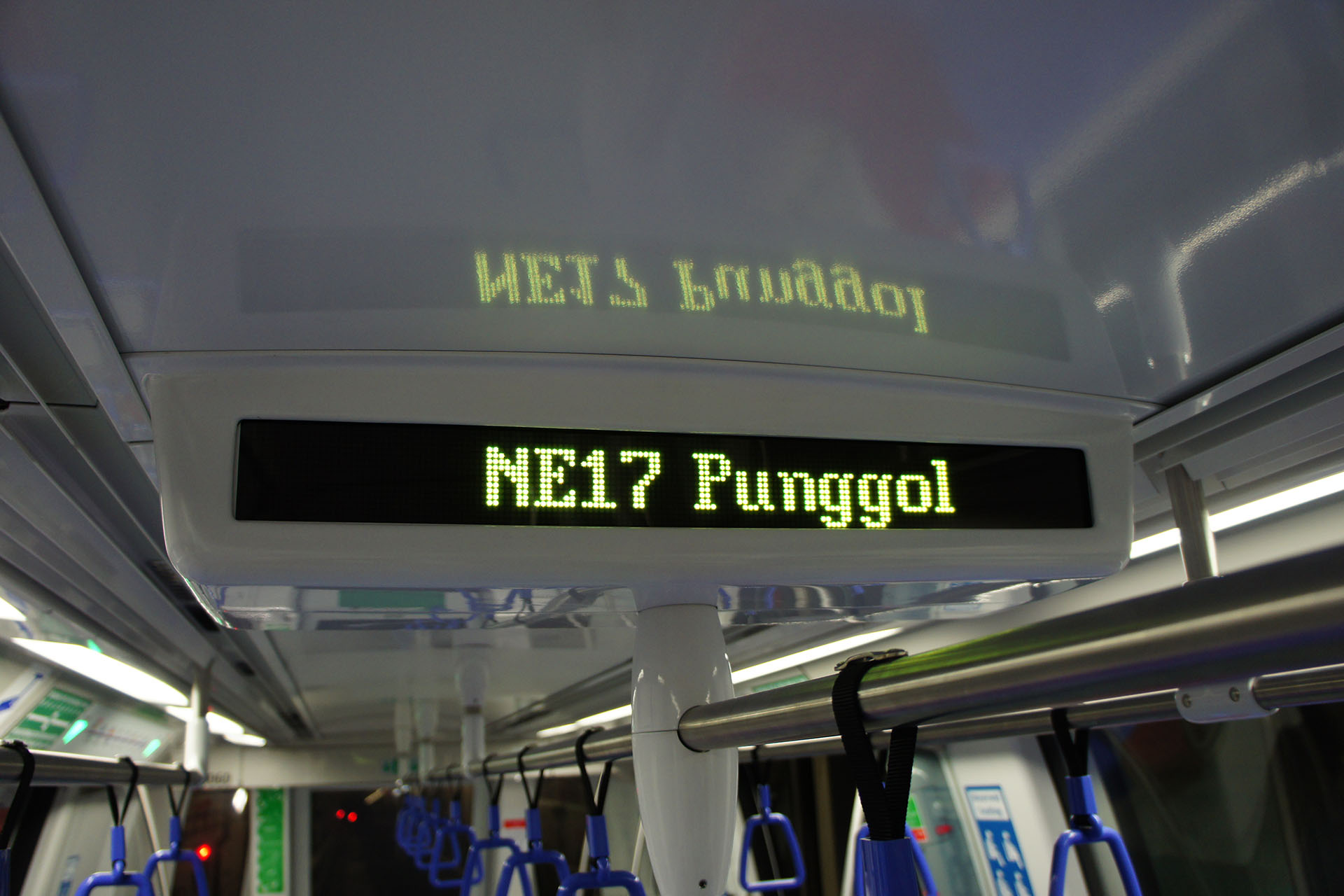
The LED display panels of the Visual Passenger Information System show useful travel information, such as transcriptions of in-train announcements.

Viewing Space
+ Emergency Exit Ramps

Both ends of the train feature a viewing space and an emergency exit.

The viewing space allows passengers to view the tunnel through the windscreen.

The emergency exit ramp will be deployed in an emergency.

Emergency Communication Button
+ Door Unlock Handle

Emergency Communication Buttons are located at the side of the train doors to contact the train staff in an emergency.

The Emergency Door Unlock Handle is integrated with the panel.

Technical Specifications

DT
Mp
Mi
Mi
Mp
DT

DT: Driving trailer car; Mp: Motor car (Pantograph); Mi: Motor car (Intermediate)

Manufacturer
Shanghai Alstom Transport Electrical Equipment Co., Ltd.
Number Built
108 cars (18 trains)
Train Numbers
7051/7052 – 7085/7086
Car Body Construction
Welded aluminium
Traction Control
IGBT-VVVF (Alstom ONIX)
Line Voltage
1,500 V DC (nominal) from overhead catenary
Gauge
Standard gauge (1,435 mm)
Maximum Speed
100 km/h (design)
90 km/h (service)
Train Length
138 m (6 cars)
Car Length
23.65 m (DT)
22.8 m (Mp/Mi)
Width
3.2 m
Height
3.7 m
Doors
1.45 m wide, 8 per car
Seating Capacity
296 seats

Advertisement